
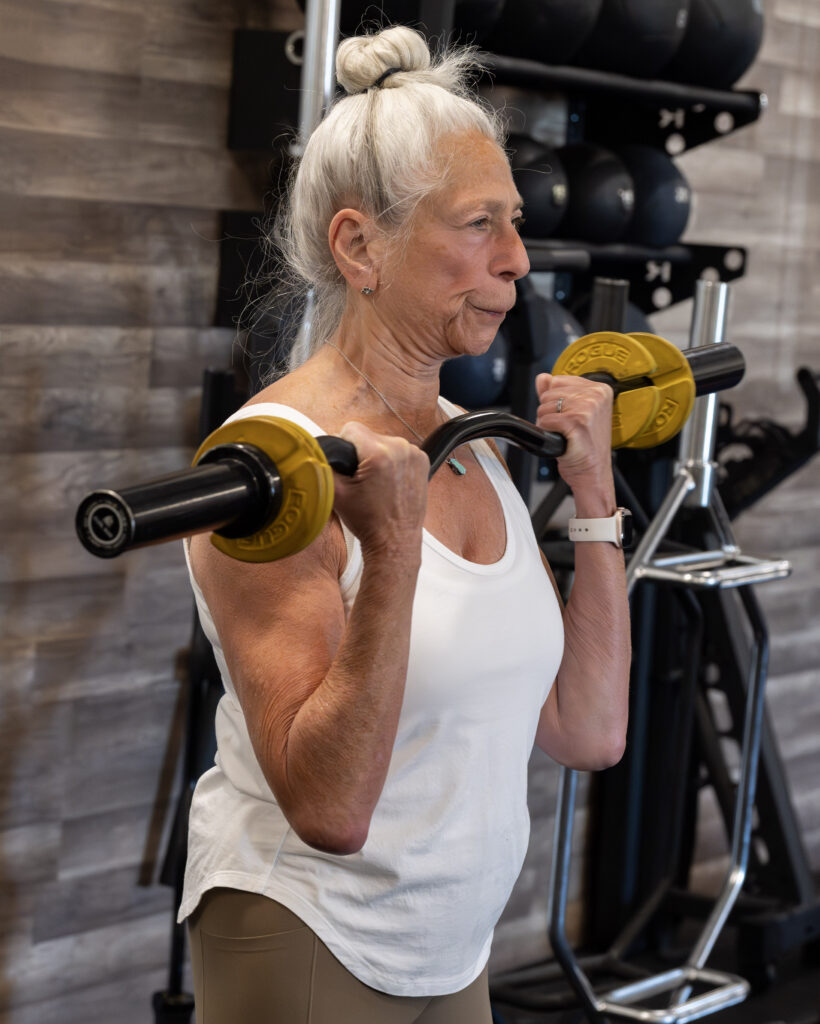
Strength training for heart health over 40 is one of the most important yet underappreciated strategies available to adults who want to live longer, feel better, and stay active for decades to come. For too long, heart health conversations have been dominated by cardio — running, cycling, walking, swimming. And while those activities matter, the research is increasingly clear: lifting weights, building muscle, and training strength are equally — if not more — important for a healthy, resilient heart.
At Block Fitness in Tucson, we work with adults from their late 30s through their 70s. What we see consistently is that the people who commit to strength training don’t just get stronger — they also report better energy, lower blood pressure, improved sleep, and a deeper sense of control over their own health. This post breaks down the science and explains why strength training for heart health over 40 deserves to be part of every adult’s routine.
The Strength vs. Cardio Debate Misses the Point
Somewhere along the way, strength training and cardio were placed on opposite teams. Lift weights or protect your heart. Build muscle or improve endurance. That false dichotomy has done a lot of damage.
Your heart doesn’t care whether you’re holding a dumbbell or walking uphill. It responds to stress, adaptation, and recovery. Strength training checks all three boxes when it’s programmed well. In fact, a landmark 2019 study published in Medicine & Science in Sports & Exercise found that just one to three strength training sessions per week was associated with significantly lower risk of cardiovascular events — independent of aerobic activity levels.
In our experience working with adults in Tucson, Oro Valley, and the Catalina Foothills area, the people who build and maintain strength tend to:
-
Move more confidently
-
Recover faster from physical stress
-
Maintain healthier body compositions
-
Report fewer joint and mobility issues
These aren’t incidental benefits — they are direct contributors to long-term cardiovascular health.
What Strength Training Does for Your Heart
The heart is a muscle. And like every other muscle in your body, it gets stronger when you challenge it. Here’s what the research says about how strength training for heart health over 40 actually works:
1. Lowers Resting Blood Pressure
Hypertension — chronically elevated blood pressure — is one of the leading risk factors for heart disease and stroke. The CDC reports that nearly half of American adults have high blood pressure, and many don’t know it. Resistance training has been shown in multiple meta-analyses to reduce both systolic and diastolic blood pressure, with effects comparable to certain medications when combined with lifestyle factors.
2. Improves Insulin Sensitivity and Metabolic Health
Muscle tissue is one of the primary sites for glucose uptake in the body. When you build and maintain muscle mass, your body becomes more efficient at managing blood sugar. Poor blood sugar regulation contributes to inflammation, arterial damage, and increased cardiovascular risk. Strength training essentially improves your metabolic firepower — and your heart is a direct beneficiary.
3. Reduces Visceral Fat
Visceral fat — the deep abdominal fat that wraps around your organs — is strongly correlated with cardiovascular disease risk. While diet plays the primary role in fat loss, resistance training has been shown to reduce visceral fat even when total weight doesn’t change significantly. This is one of the reasons the American Heart Association recommends strength training at least twice per week for adults.
4. Strengthens the Heart Muscle Itself
During strength training, your heart works harder to pump oxygen-rich blood to working muscles. Over time, this leads to beneficial cardiac adaptations — including increased stroke volume (how much blood your heart pumps per beat) and improved cardiac efficiency. The result: your heart does more work with less effort at rest.
5. Supports Healthy Cholesterol Levels
Regular resistance exercise has been associated with increases in HDL (“good”) cholesterol and modest reductions in LDL (“bad”) cholesterol and triglycerides. While diet is the primary driver of lipid profiles, consistent strength training reinforces the metabolic environment that keeps those numbers in a healthy range.
Why the Over-40 Population Specifically Benefits
Starting around age 30, adults begin to lose muscle mass at a rate of roughly 3–8% per decade — a process called sarcopenia. After 40, that rate can accelerate without deliberate resistance training. Loss of muscle mass is directly tied to:
-
Slower metabolism
-
Increased body fat percentage
-
Reduced functional capacity
-
Higher cardiovascular risk markers
The National Institute on Aging has made strength training a core recommendation for healthy aging specifically because of these compounding risks. But the encouraging news? These risks are largely preventable and reversible with consistent training. Adults over 40 who begin a proper strength training program can rebuild muscle, improve cardiovascular markers, and reclaim metabolic health at virtually any age.
We’ve seen it firsthand at Block Fitness. Clients in their 50s, 60s, and 70s — many of whom had never lifted weights consistently before — making meaningful, measurable progress in both strength and heart health metrics within just a few months of consistent training.
How to Strength Train for Heart Health Over 40
Not all strength training is created equal. For cardiovascular benefit, the programming matters as much as the effort. Here’s what tends to work for the adults we train in Tucson:
Train 2–4 Times Per Week
Consistency over volume. Two to four sessions per week of 30–60 minutes each is enough to generate meaningful cardiovascular adaptations. You don’t need to live in the gym.
Focus on Compound Movements
Exercises that engage multiple muscle groups — squats, deadlifts, presses, rows, hinges, carries — create the greatest cardiovascular demand and metabolic response. Single-muscle isolation exercises have their place, but compound work drives heart health benefits more efficiently.
Use Moderate Weight and Keep Rest Periods Manageable
Lifting with moderate loads and moderate rest periods (60–90 seconds) elevates heart rate and keeps the cardiovascular system engaged throughout the session. This is different from powerlifting-style training with long rests between heavy singles — both have value, but circuit-style moderate resistance work tends to drive the best heart health outcomes.
Progress Gradually
Explore our strength training over 40 resources for guidance on how to progress safely without injuring yourself. The goal is long-term consistency, not short-term heroics. Small, deliberate increases in load or volume over weeks and months produce lasting cardiovascular adaptation.
Pair With Adequate Recovery
Recovery isn’t optional. Sleep, nutrition, and rest days are when your cardiovascular adaptations actually occur. Training hard without recovering well blunts the benefits and increases injury risk.
Frequently Asked Questions: Strength Training for Heart Health Over 40
Is strength training safe if I already have heart disease?
In most cases, yes — with medical clearance and appropriate programming. Many cardiac rehabilitation programs now include resistance training as a standard component. Always consult your physician before starting a new exercise program if you have a known cardiac condition.
How quickly can I expect cardiovascular improvements?
Most adults see measurable improvements in blood pressure, resting heart rate, and metabolic markers within 8–12 weeks of consistent training. Some people notice changes — better energy, improved sleep, reduced breathlessness during daily activity — within the first few weeks.
Do I need to do cardio too?
Cardio and strength training are complementary, not competing. For heart health, the best approach combines both. But if you’re currently doing nothing, starting with two days of strength training per week is an excellent first step — and the cardiovascular benefits will follow.
What if I’ve never lifted weights before?
You can absolutely start at any age. Our semi-private training program at Block Fitness is specifically designed for adults who want to start safely, learn proper technique, and build a foundation that lasts. You don’t need experience — you just need to start.
Can strength training replace blood pressure medication?
That’s a question for your doctor, not your trainer. What we can say is that consistent resistance training is one of the most evidence-based lifestyle interventions for blood pressure management. Many clients we work with — in consultation with their physicians — have seen meaningful reductions in blood pressure over time through exercise and lifestyle changes.
The Bottom Line
If you’re over 40 and you care about your heart — and you should — strength training for heart health over 40 isn’t optional. It’s one of the most powerful, evidence-backed tools available to you. It lowers blood pressure, improves metabolic health, reduces visceral fat, strengthens the heart muscle, and helps you maintain the muscle mass your body needs to stay healthy for decades.
At Block Fitness in Tucson — serving the Oro Valley and Catalina Foothills communities — we specialize in helping adults over 40 build exactly this kind of durable, sustainable strength. No gimmicks. No extreme programs. Just thoughtful, progressive training that makes your heart — and your whole body — more resilient.
Move Better. Feel Better. Live Stronger.