
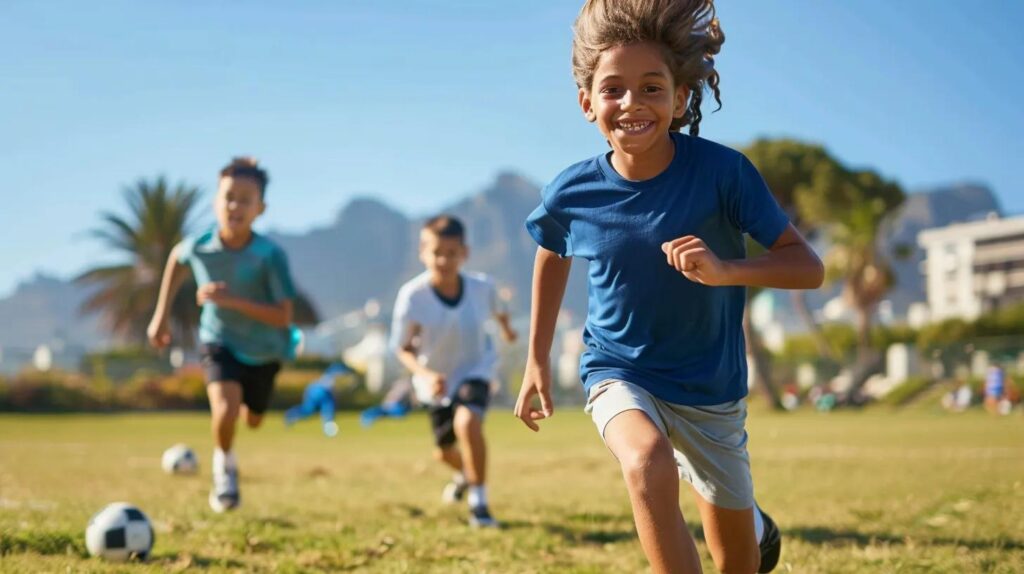
Youth sports training plays a pivotal role in the development of physical skills, confidence, and teamwork among adolescents. In Oro Valley, AZ, various programs cater to the growing demand for specialized training that enhances athletic performance. This article explores the types of youth sports training programs available, the benefits they offer, and how these programs are structured to meet the unique needs of teenage athletes.
Families often seek these programs to help their youth excel in competitive scenarios while also fostering personal growth and fitness. We’ll delve into key aspects such as the importance of athletic development camps, speed and agility training, strength and conditioning options, and the coaches driving these initiatives.
What Youth Sports Conditioning Programs Are Available in Oro Valley?
Oro Valley offers a diverse array of youth sports conditioning programs designed to enhance athletic performance and support overall fitness. These programs include options tailored specifically for different sports, ensuring that young athletes receive the conditioning that best suits their individual needs. Exploring these varied programs can help families find the right fit for their aspiring athletes.
Overview of Teen Sports Performance Training Options
Teen sports performance training options in Oro Valley typically include specialized sessions in strength, agility, and endurance. Many facilities focus on creating age-appropriate training that emphasizes foundational skills and injury prevention. Programs often feature: training that emphasizes foundational skills.
- Sport-Specific Drills: Targeted exercises that reflect the demands of specific sports.
- Strength Training: Incorporating safe and effective exercises for building foundational strength.
- Agility Courses: Designed to improve footwork and coordination essential for competitive play.
These performance training options are foundational for progressive development in young athletes, emphasizing skill mastery and overall athleticism.
How Do Athletic Development Camps Support Teen Growth?
Athletic development camps in Oro Valley are structured to provide intensive training experiences that blend skill development with personal growth. Usually spanning several weeks, these camps focus on both physical fitness and crucial aspects like teamwork and sportsmanship.
Key features include:
- Comprehensive Assessments: Evaluating each athlete’s strengths and areas for improvement.
- Incremental Skill Building: Progressively challenging athletes with tailored coaching and drills.
- Regular Feedback: Coaches provide insights to help athletes understand their growth and areas to focus on.
The combination of rigorous practice and peer interaction fosters not only improved physical capabilities but also valuable life skills that extend beyond sports.
How Does Speed and Agility Training Enhance Youth Athletic Performance in Oro Valley?
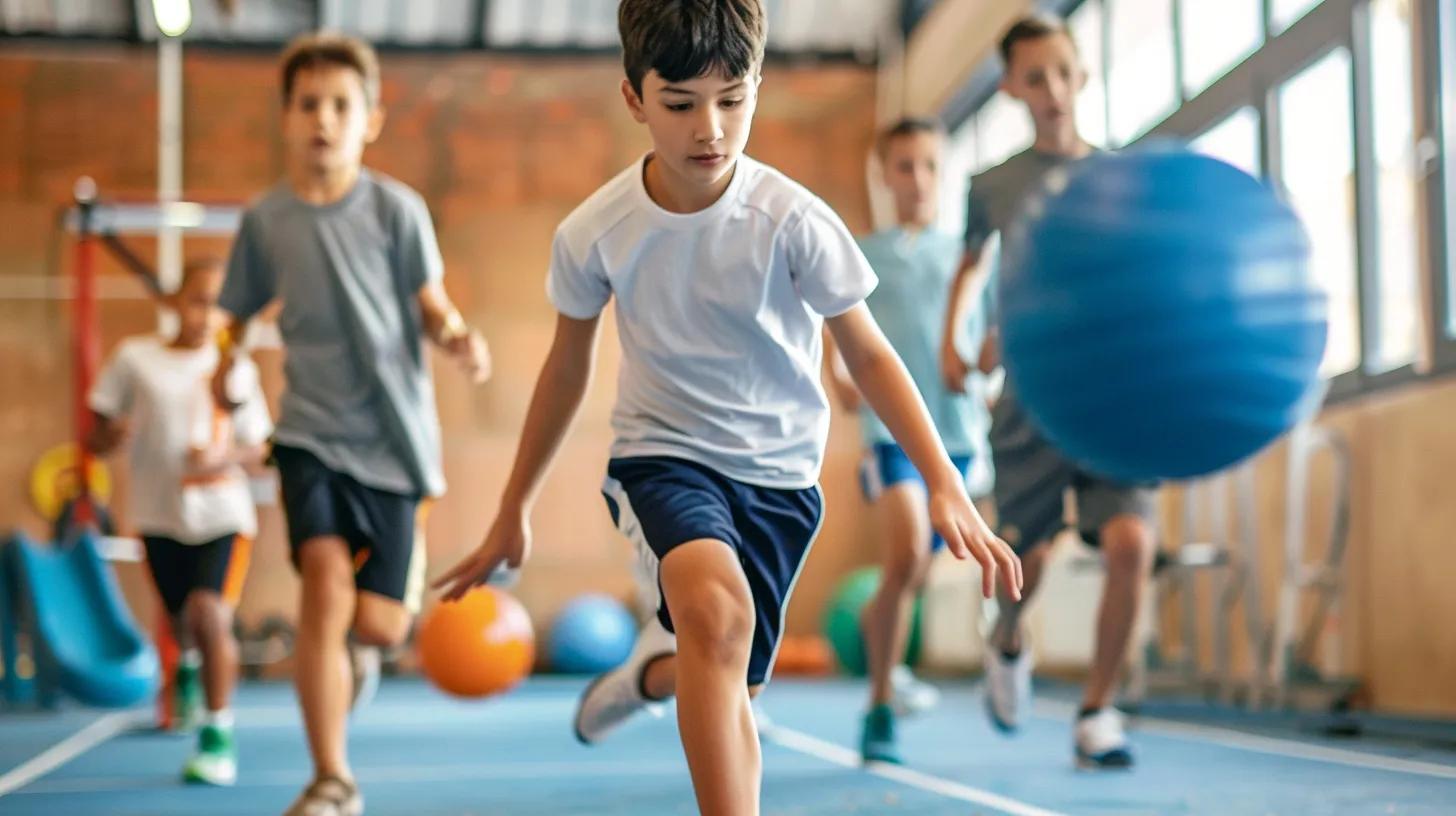
Speed and agility training is a critical component of youth sports development that significantly enhances overall athletic performance. Such training focuses on improving quickness, reaction times, and movement efficiency, which are essential for all sports.
What Are Effective Speed Drills and Agility Techniques for Teens?
Effective speed drills and agility techniques for teens are designed to sharpen their physical performance. Commonly used methods include: athlete performance.
- Ladders Drills: Enhancing foot speed and coordination through structured movements.
- Cone Drills: Focusing on quick direction changes to mimic competitive scenarios.
- Short Sprints: Develops explosive speed crucial for various sports situations.
These drills not only enhance athletic performance but also contribute to a fun and engaging training environment, helping to instill a love for physical activity.
Why Is Speed and Agility Training Critical for Injury Prevention?
Injury prevention is a crucial aspect of youth athletic training. Speed and agility training incorporates movements that strengthen key muscle groups and improve neuromuscular coordination, which plays a vital role in reducing injury risks.
Research shows:
- Strengthened Muscles: Working on balance and coordination decreases fall risk.
- Enhanced Reaction Times: Quick responses to sudden movements protect against collisions.
- Improved Technique: Teaching proper running and landing mechanics to mitigate strain on joints.
Ultimately, focusing on these training aspects not only aids in performance but ensures that athletes remain healthy and competitive over longer periods.
What Strength and Conditioning Programs Are Designed for Teens in Oro Valley?
Strength and conditioning programs for teens are tailored to develop functional strength and enhance athletic performance safely. These programs consider the physical maturity and experience levels of young athletes to ensure appropriate training methods.
Which Strength Training Exercises Are Safe and Effective for Youth?
Safe and effective strength training exercises for youth typically include bodyweight exercises, resistance bands, and controlled free weight lifting. Some commonly included exercises are: athlete performance
- Squats: Building lower body strength while promoting proper form and posture.
- Push-ups: Enhancing upper body and core strength, adaptable for various fitness levels.
- Planks: For core stabilization and improving overall body strength and endurance.
These movements are foundational, ensuring that young athletes develop strength without overexerting or risking injury.
How Is Conditioning Tailored to Sport-Specific Performance Needs?
Tailoring conditioning to sport-specific performance needs involves creating training regimens that reflect the requirements of particular sports. This personalizes the training experience and maximizes growth potential.
Methods may include: about us
- Sport-Specific Drills: Incorporating movements from the athlete’s primary sport.
- Customized Strength Training: Emphasizing muscle groups most relevant to performance in that sport.
- Endurance Training: Building cardiovascular fitness that aligns with the athlete’s competition schedule.
By aligning strength and conditioning exercises with specific sports, trainers enhance athletic performance and prepare athletes for the demands they will face in competition. Athlete performance
Who Are the Certified Coaches Leading Oro Valley Youth Sports Training?
The success of youth sports training programs heavily relies on the expertise of the coaches involved. In Oro Valley, many trainers are highly qualified and possess specialized knowledge in adolescent sports conditioning.
What Credentials and Specialties Do Local Trainers Hold?
Local trainers in Oro Valley often hold certifications from recognized organizations such as the National Strength and Conditioning Association (NSCA) and the American College of Sports Medicine (ACSM). Common qualifications include: fitness classes in Oro Valley.
- Certified Strength and Conditioning Specialist (CSCS): Indicates a high level of expertise in performance training.
- Youth Fitness Specialist: Focuses on training practices specific to youth populations.
- CPR and First Aid Certified: Ensuring safety during training sessions.
These credentials are essential, as they not only guarantee a certain level of knowledge and safety but also convey a commitment to developing young athletes’ skills effectively and safely.
How Do Coaches Personalize Training for Individual Youth Athletes?
Training personalization is crucial in maximizing an athlete’s potential. Coaches use assessments to understand each athlete’s needs, allowing them to tailor programs that cater specifically to individual strengths and areas for improvement.
Strategies may involve: about us
- Initial Skill Assessments: Identifying baseline fitness and skill levels.
- Ongoing Feedback: Providing regular evaluations to adjust training regimens.
- Goal Setting: Collaborating with athletes to set achievable and motivating performance goals.
This individualized approach not only enhances athletic development but also promotes a positive training experience tailored to each athlete’s journey.
How Can Oro Valley Families Register and Schedule Youth Sports Training Programs?
For families interested in enrolling their teens in these transformative sports training programs, understanding the registration and scheduling process is essential.
What Are the Typical Training Schedules and Session Durations?
Training schedules typically vary by program but often include: schedule
- Weekly Sessions: Many programs offer training 1-3 times a week to align with school and personal schedules.
- Session Durations: Sessions generally last between 60 to 90 minutes, balancing intensity with adequate recovery.
This flexibility helps cater to the diverse needs of families, ensuring that they can integrate training into their busy lives.
What Are the Pricing Options and Booking Procedures for Local Programs?
While specific pricing can vary based on the program, families can generally expect investment options reflecting the quality and specialization of each service. Typical pricing may include: affordable block fitness programs.
- Single Sessions: Ranges from $30 to $60 per session, depending on the level of training involved.
- Package Discounts: Committing to multiple sessions often results in cost savings, making training more accessible.
To book sessions, parents typically fill out an online form or contact the facility directly to secure a spot, making the process straightforward and convenient.
What Are Common Questions About Youth Sports Training in Oro Valley?
As families consider youth sports training options, several common questions arise regarding age appropriateness, training frequency, and effective practices.
What Is the Best Age to Begin Teen Sports Conditioning?
Experts generally recommend that youth sports conditioning can begin as early as age 10, depending on maturity levels and interests. Starting at a young age can help in developing foundational skills necessary for advanced training. Engaging young athletes early fosters a love for physical activity and prepares them for competitive play throughout their adolescence.
How Often Should Youth Athletes Train for Optimal Results?
For optimal results, youth athletes should aim for 2-3 training sessions per week, depending on their goals and competitive schedules. Regular engagement in structured training not only improves performance but also helps in establishing good habits and routines that are conducive to long-term athletic success.
Frequently Asked Questions
What types of programs are most suitable for beginners in youth sports training?
Programs suitable for beginners often focus on foundational skills and introduce basic techniques in a fun, engaging way. Many local facilities offer beginner courses that prioritize skill development, ensuring that athletes gain confidence and competence. These introductory programs usually feature a mix of sports activities and physical conditioning, allowing young athletes to explore various sports while learning essential skills like teamwork, cooperation, and sportsmanship alongside their drills.
How do youth training programs support mental health and personal development?
Youth training programs play an important role in promoting mental well-being and personal growth. Participation in organized sports fosters discipline, resilience, and social interaction among teens, contributing to positive mental health outcomes. Moreover, programs often include components aimed at helping athletes set and achieve personal goals while navigating challenges. Coaches emphasize the importance of a growth mindset, enabling young athletes to develop self-esteem and succeed beyond their athletic performance.
What considerations should parents keep in mind when selecting a sports program for their teens?
Parents should consider several factors when selecting a sports program, including the athlete’s interests, physical abilities, and training goals. It’s important to evaluate the program’s structure, coaching qualifications, and safety measures. Additionally, assessing the program environment—ensuring it promotes teamwork and inclusivity—is crucial. Parent testimonials and facility rankings can also provide insights about the program’s reputation, helping families make informed decisions that align with their values and objectives.
Are there any insurance requirements for youth sports training programs?
Insurance requirements may vary among youth sports training programs. Most facilities have liability insurance, but it’s advisable for parents to check whether separate accident or health coverage is necessary for their child. Some programs may require parental consent forms detailing any insurance coverage upon registration. Contacting the facility directly can clarify specific guidelines regarding insurance and ensure that families have proper coverage during training sessions.
What kinds of performance metrics do programs use to track athlete progress?
Performance metrics commonly used in youth sports training include fitness assessments like speed, strength, and agility tests, which establish baseline levels for athletes. Coaches often track improvements through logs of session participation, skill progressions, and competition results. Regular feedback sessions help athletes understand their development over time, making adjustments to training plans as needed to reflect their improvement. This monitoring ensures that each athlete can work towards specific benchmarks tailored to their sporting goals.
How can families encourage their teens to stay committed to training programs?
To foster commitment, families can encourage open communication about the athlete’s goals and interests in sports. Associating training with positive experiences—such as peer companionship and skill mastery—helps maintain motivation. Setting realistic expectations and celebrating progress, no matter how small, can also build enthusiasm. Additionally, parents can get involved by attending sessions or volunteering, reinforcing a sense of community and support, which enhances the athlete’s dedication to their training routine.
Conclusion
Engaging in youth sports training programs in Oro Valley not only enhances physical performance but also fosters essential life skills such as teamwork and resilience. By participating in these specialized programs, young athletes can develop a solid foundation in fitness and gain a competitive edge in their chosen sports. Families are encouraged to explore the available options and enroll their teen athletes to improve their skills and confidence on and off the field. Discover how our structured programs can help elevate your child’s athletic journey today!